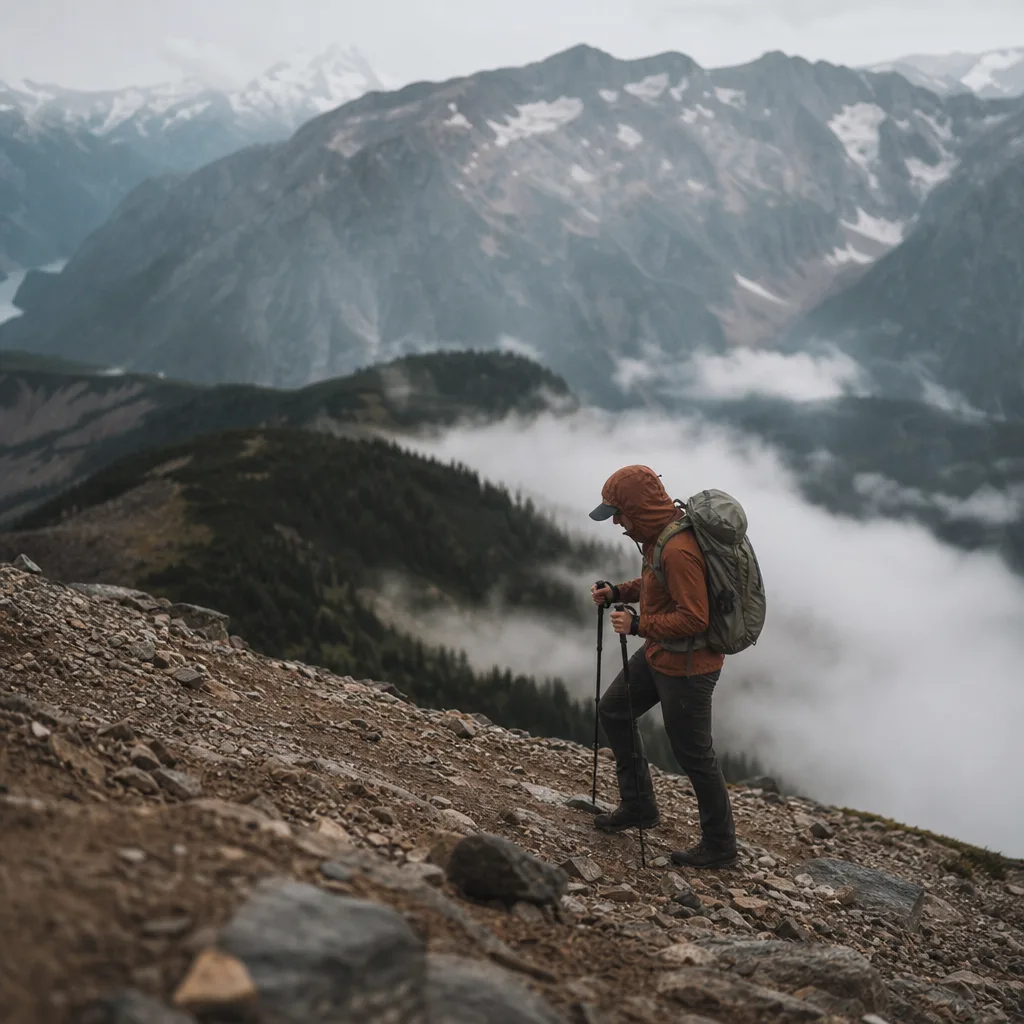
The fastest way up a big climb is often to slow down. Here is why pacing beats power on any long day in the hills.
The first mistake most hikers make happens in the first ten minutes. Fresh legs and morning enthusiasm push the pace far too high, and the body burns through its quick fuel long before the summit. By midday that early speed has been repaid with interest, in cramping muscles and a mind too tired to enjoy the view.
The alternative is a discipline the mountains teach slowly: go at a pace you could hold all day. On a sustained climb that means settling into a rhythm where you can still speak in full sentences, where your breath drives your steps rather than the other way around. It feels frustratingly gentle at the bottom and quietly brilliant near the top.
Experienced mountain walkers often adopt a technique of small, even steps and a brief locking pause on the back leg with each stride, letting bone rather than muscle carry the load for a fraction of a second. Over thousands of steps those tiny rests add up to legs that still have something left when the terrain turns steep and technical.
Pacing is also about the long game across a whole day. Eat before you are hungry, drink before you are thirsty, and add or shed a layer before your body forces the issue. Managing these small things early keeps you out of the deep holes that turn a wonderful day into a survival exercise.
Replace this text with your own notes: the climb that taught you to slow down, the pacing trick you swear by, and the day you finally reached a summit with energy to spare. — Written by the editors.